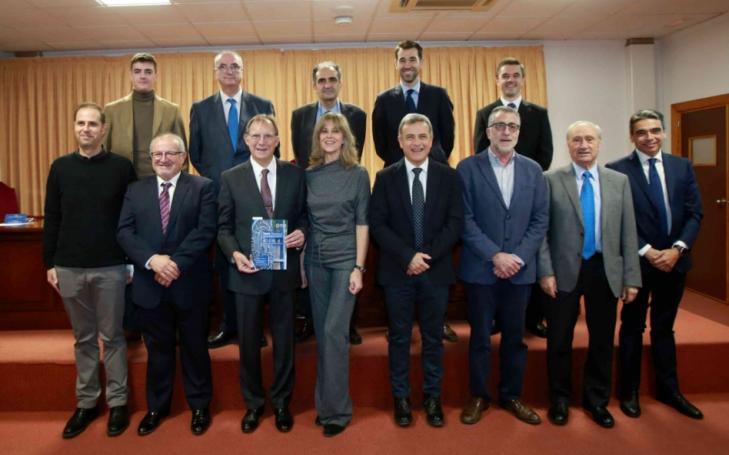
Toni Bové, physiotherapist of FC Barcelona, receives his PhD at UCAM
His thesis, defended at Los Jerónimos Campus, reflects and analyses more than twenty years of data on the injuries of the first Barcelona basketball team

Search in:
His thesis, defended at Los Jerónimos Campus, reflects and analyses more than twenty years of data on the injuries of the first Barcelona basketball team
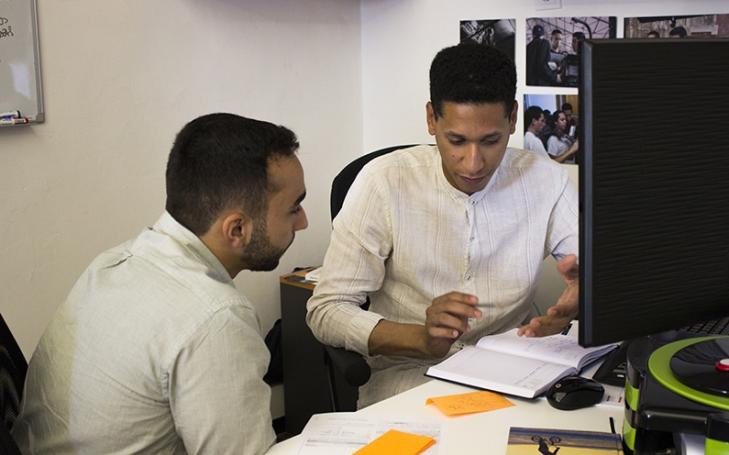
UCAM Universidad Católica San Antonio de Murcia is in the final stage of its training internship, within the ‘Eurodyssey’ programme, a European network that facilitates labour mobility of young workers under thirty to tackle youth unemployment<br /> <br />
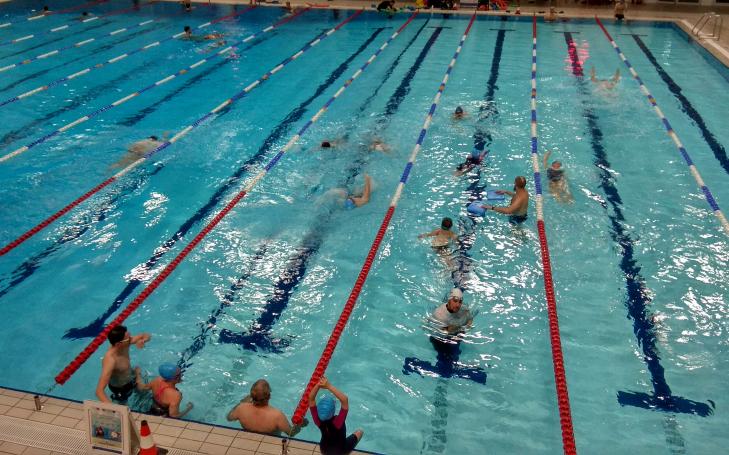
The Faculty of Sport of UCAM, through the project ‘REAL’ (Reserve A Lane For The Disabled), gives swimming lessons to students with physical disabilities so that they can achieve a greater autonomy in various social areas.
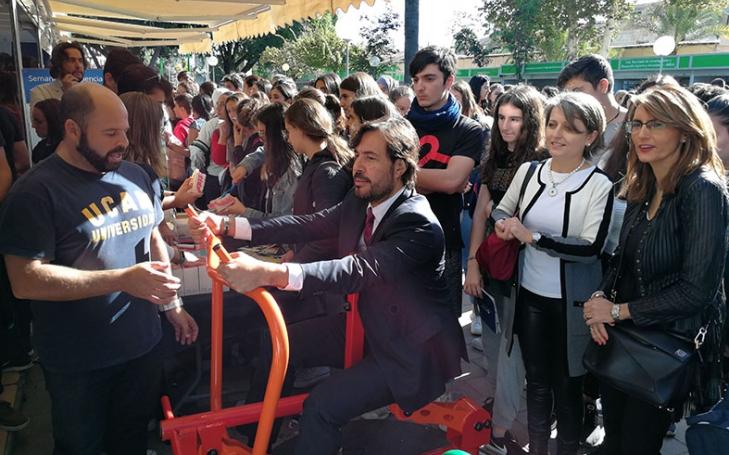
The Catholic University of Murcia (UCAM) has presented about forty activities that will be available from today until next Sunday on the occasion of the Science Week held at the Botanical Garden of Paseo del Malecón (Murcia)<br /> <br />
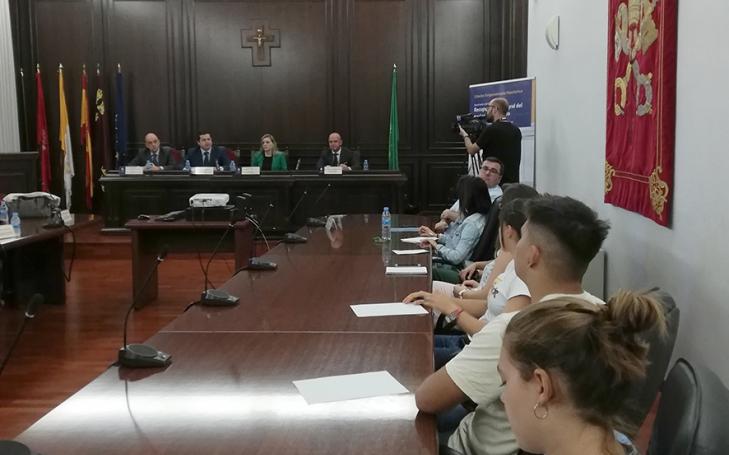
Doctor José Fabregat, director of the Chair of Hyperbaric Oxygen Therapy at the Catholic University of Murcia has lectured on the latest developments. UCAM holds a scientific seminar on the benefits of this technique in amputated patients.
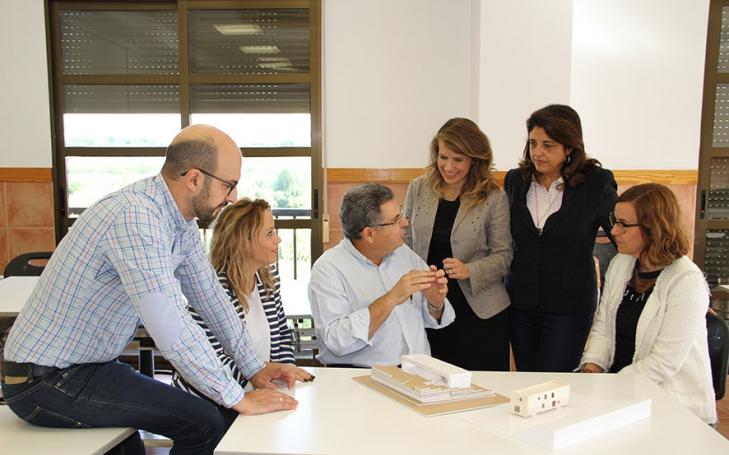
The new ‘BIMhealthy’ European Project, coordinated by UCAM, analyses BIM (Building Information Modelling) houses behaviour to prevent cardiovascular and respiratory diseases.<br /> <br />
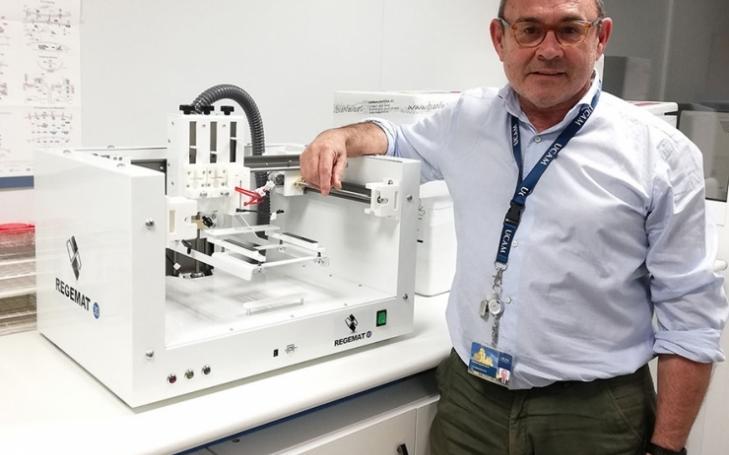
One of the advantages it offers is that it is not rejected and is easily fixed to the tissue where it is implanted. It would avoid removing bone tissue from another part of the patient’s own body or using donor bones to repair any bone defect.
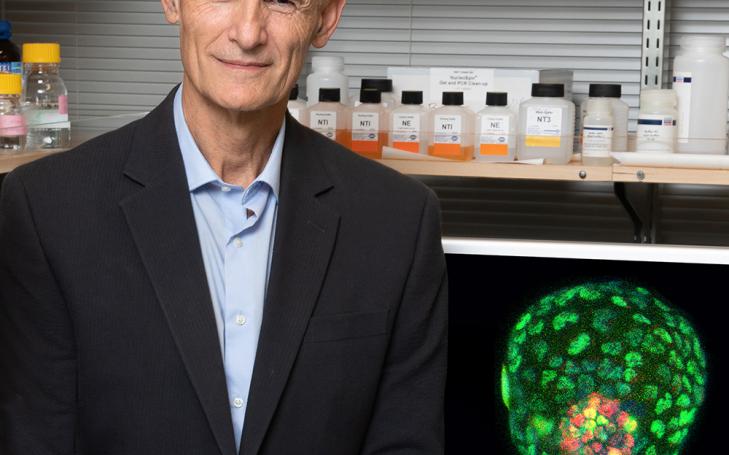
They are mouse embryods (in the blastocyst phase) for whose creation he has used iPS cells. The advance will allow to study, without having to use natural embryos nor gametes, the development of the first embryonic stages, the causes of miscarriages or the onset of diseases such as Alzheimer’s disease, and it will provide valuable information for the creation of human organs for transplants. The research has been developed by the team of scientists led by Dr. Juan Carlos Izpisua, director of the Gene Expression Laboratory of the Salk Institute, in the US, and Professor of Developmental Biology at the UCAM.
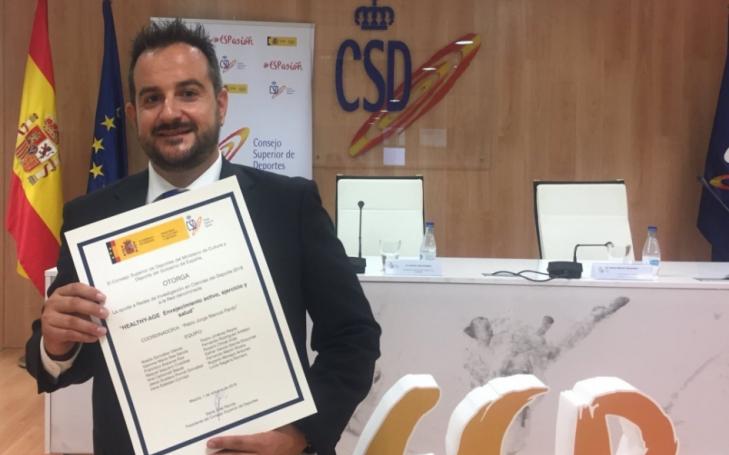
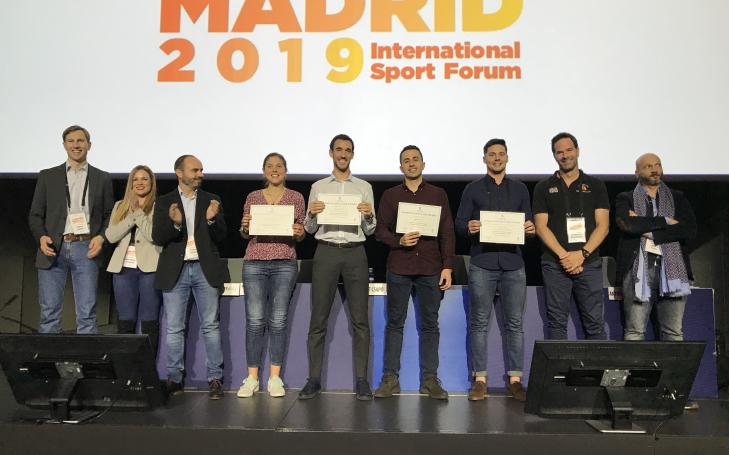
Pablo Marcos-Pardo, researcher of the Catholic University of Murcia received in Madrid the honour as coordinator of the network ‘HEALTHY-AGE: Active ageing, exercise and health’<br /> <br />