

UCAM is granted special consultative status to the UN Economic and Social Council
UCAM representatives will focus their work and proposals on education, innovation and digitalisation; health and sport; and engineering and sustainability. UCAM is the first university in Spain to be granted special consultative status
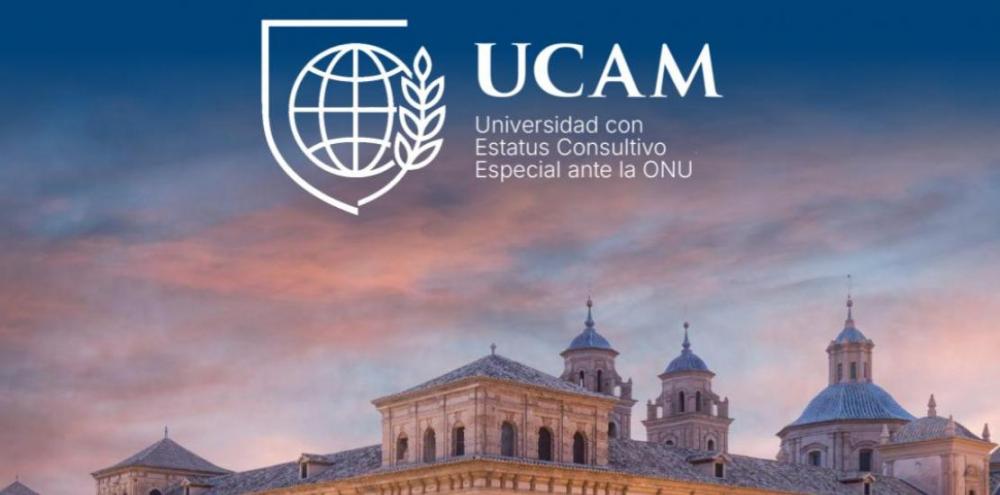

UCAM takes another step forward in the international arena by obtaining the prestigious recognition of 'special consultative status' with the UN Economic and Social Council (ECOSOC), an accreditation that recognises its academic, research and social work, and which opens up opportunities for the institution to participate in global initiatives and debates promoted by the United Nations.
This recognition allows UCAM to take part in meetings, sessions and conferences of ECOSOC and its functional commissions, to organise and co-organise side events and to present written and oral statements in the formats foreseen for organisations with special consultative status. UCAM will be able to contribute and share its scientific output with the international community and contribute to global debates, such as those of the UNODC Commission on Narcotic Drugs, the Commission on Science and Technology for Development or the High-Level Political Forum on Sustainable Development, where critical issues for the future of humanity are addressed.
This new status also grants UCAM access to certain United Nations facilities during the public sessions of ECOSOC and its commissions, as well as to the organisation's libraries and public documentation services. The university may also organise side events at UN headquarters within the framework of events approved by the respective commissions. Similarly, ECOSOC and its commissions may request reports, studies or technical contributions from UCAM in areas related to its academic and research activity.
UCAM will contribute to the work of the UN by permanently updating its institutional information on the ESANGO platform and will designate official representatives in New York, Geneva and Vienna.
The university will also promote a specific working group, the 'UN Task Force', in charge of coordinating the relationship with the United Nations, preparing the institution's contributions and reinforcing its presence in the main international forums. This strategy will focus on priority areas such as education, innovation and digitalisation; health and sport; and engineering and sustainability.