

UCAM: The University Club Taking on Basketball’s Giants
The Catholic University of Murcia competes in the Copa del Rey and the elite Endesa League with its own team, a unique model in Europe that integrates sporting excellence, education, and research
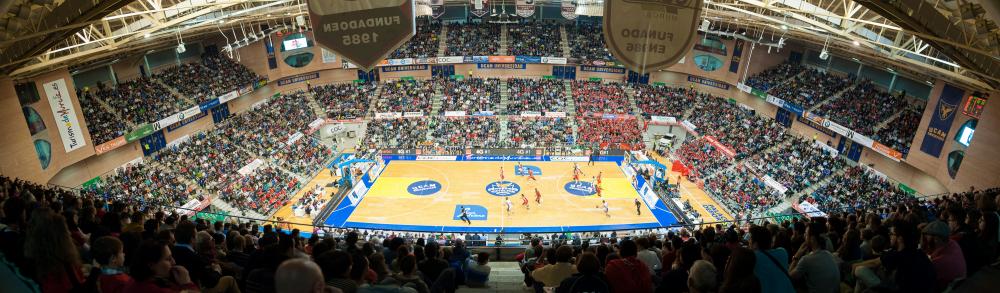

The basketball Copa del Rey, widely considered one of Europe’s most attractive competitions, brings together the top eight teams from the first half of the Liga Endesa over four days. This high-stakes format condenses the quarterfinals, semifinals, and final into a single host city—a model that has produced some of the most memorable moments in Spanish basketball history. Its success is such that it was even replicated by the NBA with the creation of the "NBA Cup," an unprecedented milestone in the history of the sport.
The 2026 edition, held at the Roig Arena in Valencia—one of Europe’s most modern sporting venues—once again shines the spotlight on the country’s leading clubs within the Liga Endesa, regarded as the second-best league in the world after the NBA.
There is no other case in Europe of a university that owns a basketball club competing at the highest professional level. This unique model reinforces UCAM's identity as an academic institution that integrates education, research, and high-performance sports under a single structure.
An Olympic-caliber sports model
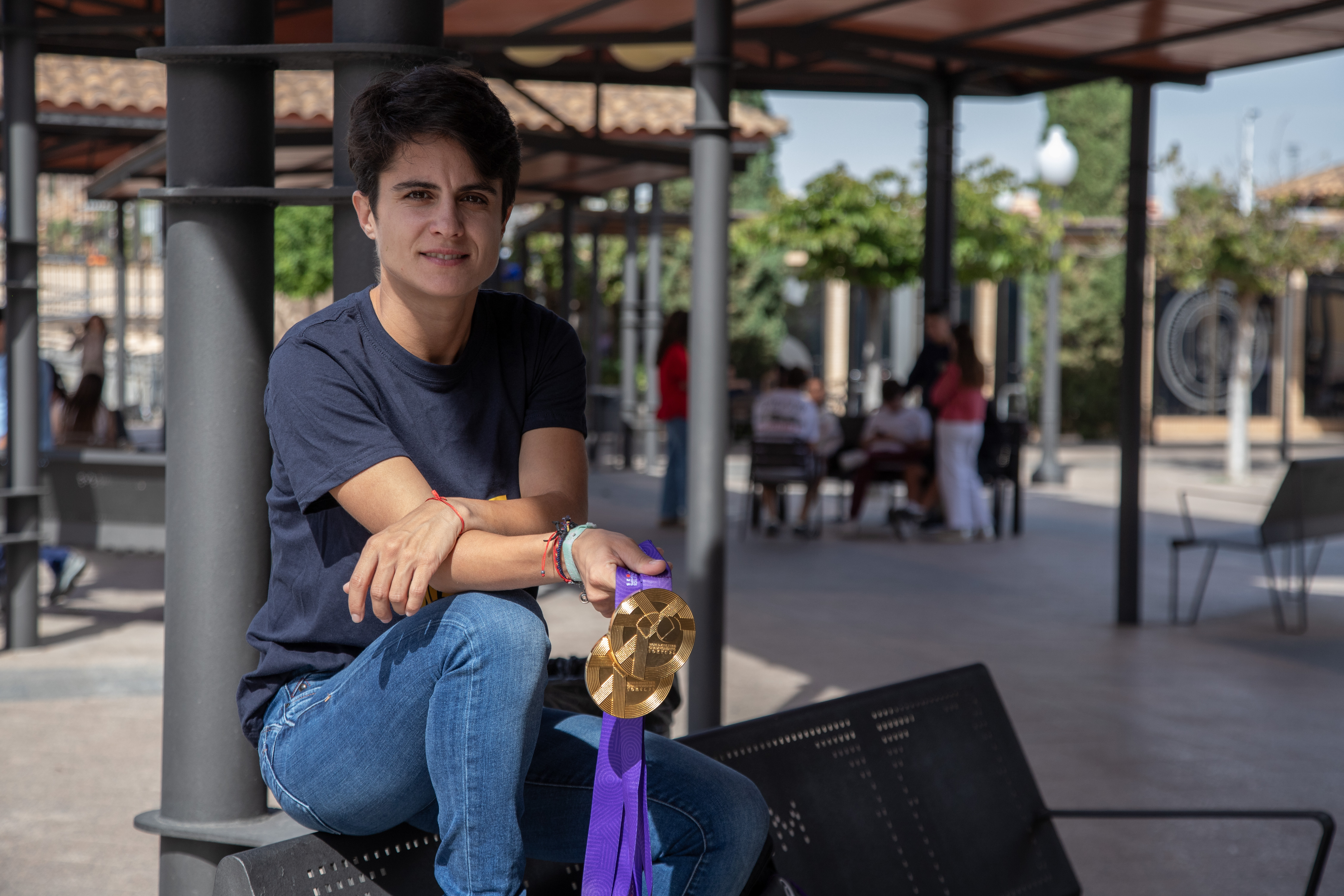
The commitment of the University's founder, José Luis Mendoza, to elite sports is part of a strategic alliance with the Spanish Olympic Committee (COE). This model allows athletes to balance university studies with top-level training and competition. The University maintained a prominent presence at the Rio 2016, Tokyo 2020, and Paris 2024 Olympic Games. At the most recent Olympics, it was the university with the highest representation worldwide, totaling 15 medalists and 33 Olympic diplomas. This is bolstered by over twelve years of sustained dominance in the Spanish University Championships and the presence of its own teams in disciplines such as football, esports, and table tennis—the latter having qualified for the Champions League Final Four—in addition to sponsoring more than twenty other teams.
This trajectory has been recognized with the most prestigious distinctions, such as the Joaquín Blume Trophy awarded by the Government of Spain in 2012 and 2024, as well as awards from the Spanish Olympic Committee, the International Olympic Committee, and the European Union.
Education and Research: Driving High Performance
Beyond competition, UCAM's commitment to sports is supported by a solid academic and research structure. The Faculty of Sport, one of the most recognized in Spain, offers a Bachelor's Degree in Physical Activity and Sport Sciences (CAFD) and a wide range of postgraduate studies in high performance, psychology, nutrition, communication, and physiotherapy, among other areas. Both the CAFD degree and numerous Master's programs are also offered in English, within an international environment that this academic year hosts more than 3,000 international students from 135 countries.
With this comprehensive model, the Catholic University of Murcia has cemented a unique position on the European stage. It is an institution that doesn’t just educate the next generation of sports professionals—it competes and wins alongside the global elite. By challenging the giants of professional basketball while staying true to its academic roots, UCAM has proven that the spirit of the university can thrive at the very highest level of international sport.
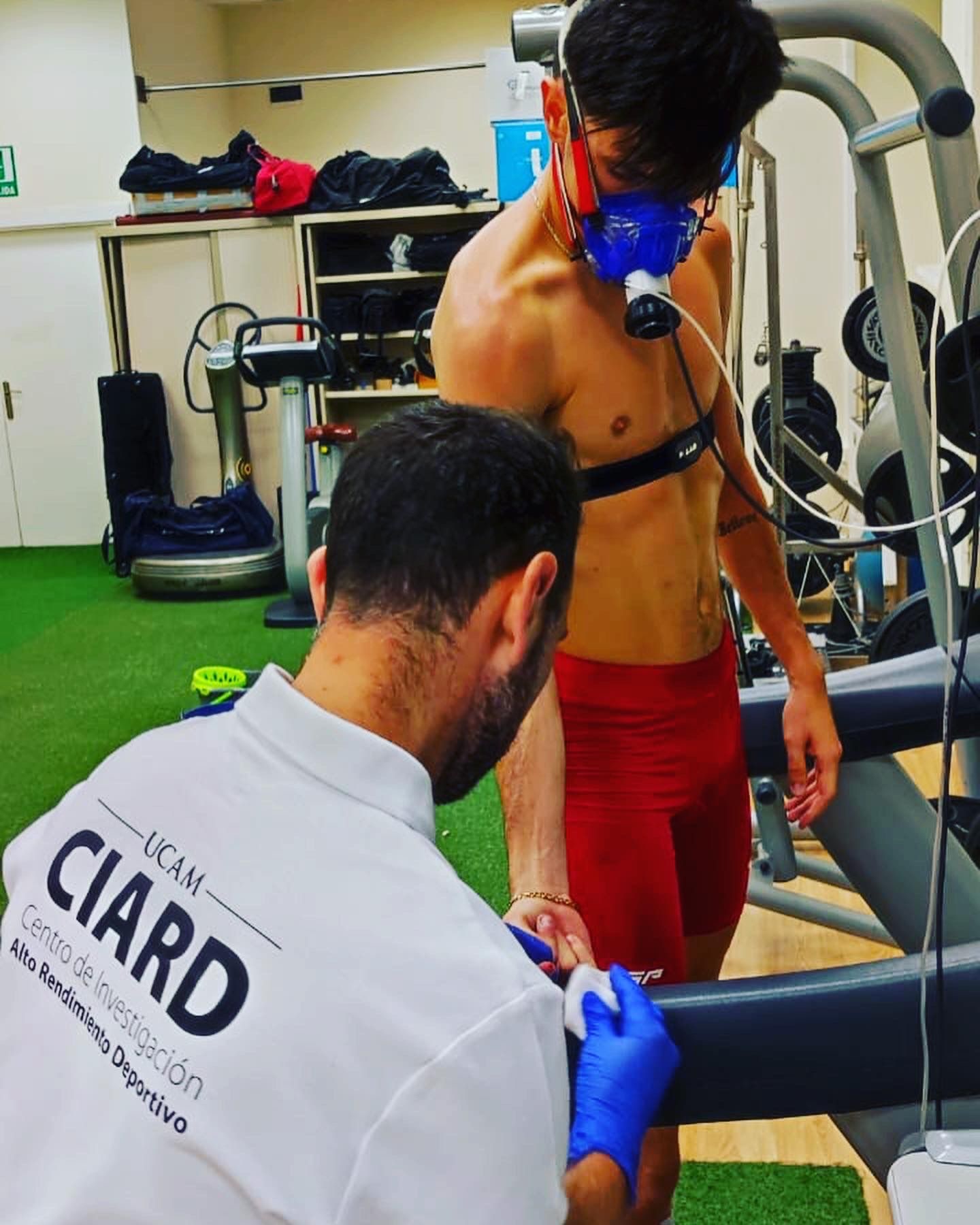
At the core of UCAM’s sporting dominance is the High-Performance Sport Research Center (UCAM CIARD). This isn't just a lab; it’s a global hub where the world’s most elite athletes come to be monitored, measured, and mastered.
The CIARD’s impact was recently showcased on the ultimate stage: Paris 2024. When the Mixed Race Walk Relay made its Olympic debut, there was no historical data to follow. UCAM’s researchers stepped in to design the definitive competitive strategy for the Spanish national team. By conducting pioneering studies on effort management and recovery windows, they provided the scientific blueprint that directly fueled Spain’s journey to the Olympic Gold Medal.