

Bacteria with new antibiotic resistance detected
UCAM participated in this study, published in the scientific journal Nature Communications, in which samples of untreated wastewater from 111 countries were analysed
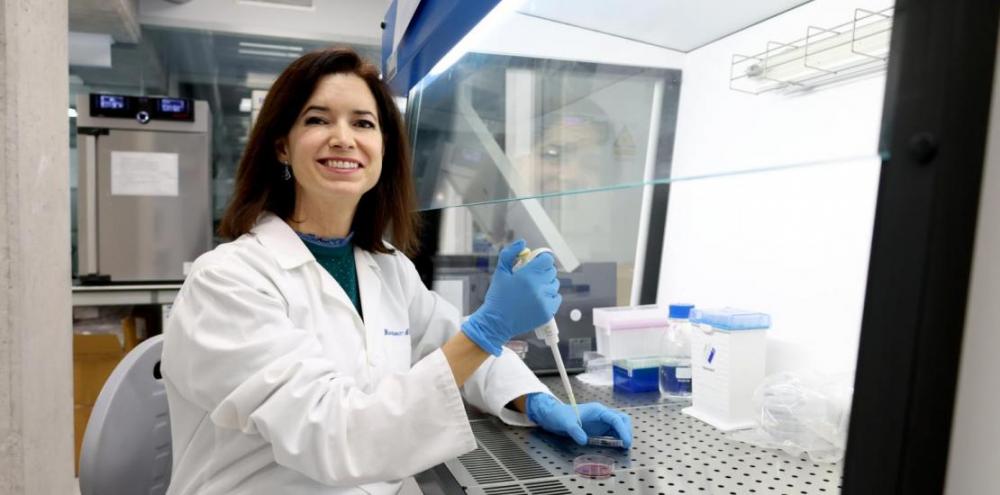

The Universidad Católica de Murcia (UCAM), through Dr Isabel Martínez Alcalá, has participated in a worldwide study published in Nature Communications and developed by the Global Sewage Consortium, an international network of universities that analyses the microbiological content of untreated wastewater to determine the state of health of the population. The research has detected signs of bacteria with new antibiotic resistances in the DNA of bacteria present in wastewater.
To carry out the research, 1240 wastewater samples from 351 cities in 111 countries were analysed. The DNA of the bacteria carried in the wastewater was studied in these samples, which made it possible to identify both the antibiotic resistance genes that are already causing problems in hospitals and many others that, although not yet present in pathogenic bacteria, could potentially emerge in the future. These results have been found in cities on different continents, suggesting that new antibiotic resistance can emerge anywhere in the world.
The study confirms that known resistances show clear regional patterns, being more frequent in areas with health problems or higher antibiotic use. However, the emerging resistance mechanisms identified in bacterial DNA appear much more spread across countries, without geographical borders or economic differences. This indicates that their evolution depends mainly on the type of bacteria present in each environment.
From UCAM, researcher Isabel Martínez-Alcalá, with the help of ESAMUR, has participated in this study with samples of untreated wastewater. ‘Fortunately, in the Region of Murcia, we have an excellent water purification system that manages to eliminate a large part of these resistance genes by treating the water. However, we must work to ensure that citizens make good use of antibiotics and that they dispose of the containers correctly at the so-called SIGRE points set up for this purpose,’ says the UCAM scientist.